
Social feeds are more crowded than ever. You can feel it every time you open your phone. People scroll fast, and most will move right past anything that feels excessively polished or promotional. To break through, you need influencer content that feels like it actually belongs in the feed—the kind of thing people want to watch.
Humor has a way of breaking down walls, which is why it’s such an effective marketing tool. But humor can also fall flat, which is why it’s critical to know your audience—and partner with the right influencers. Ahead, we’ll dig into why humor is so effective and how to use it to create stronger influencer marketing, organic social and paid social campaigns.
Humor changes how our brains process a message. When something makes us laugh, it activates the cognitive and emotional centers of the brain, which leads to better memory retention.
In other words, humor gives your content a better chance of sticking. It also triggers the brain’s reward system, creating a small hit of feel‑good energy that makes people more open, attentive, and engaged.
It’s why a well‑timed joke by an influencer pulls people in. It builds connection and makes your audience more likely to remember what they said.

When people laugh, they relax a little, and that small shift makes your message easier to receive. It softens the edges, breaks down formality, and makes your brand feel more human.
Influencer partnerships enhance this effect because they deliver your message in a voice their audience already trusts. They show up as themselves, not as a scripted spokesperson, which makes humor feel natural instead of forced. It’s why humor often lands better through creators than direct brand messaging.
Lifestyle humor works especially well because it taps into moments people instantly recognize, like daily routines that feel familiar and common frustrations everyone deals with
These moments feel honest, and humor makes them even more memorable. But humor must fit your brand’s identity, tone, and values. Stay culturally aware and keep the tone appropriate for your audience. The goal isn’t just to get a laugh. It’s to make people feel something and remember your brand because of it.
No matter what product or service you offer, lifestyle content gives humor the perfect place to land. It already feels personal and relatable, like you’re stepping into someone’s real routine, not watching a polished ad.
Audiences follow lifestyle creators because they trust their taste and genuinely enjoy seeing how they move through everyday life. When a product shows up naturally in that world, it feels seamless. That built‑in authenticity makes lifestyle content an ideal environment for humor to shine.
When an influencer weaves comedy into that everyday storytelling, things get more engaging. Humor makes sponsored content feel lighter and less intrusive and boosts entertainment value. And it encourages repeat viewing and sharing, which is gold for both organic reach and paid performance.
A few content approaches work especially well, including:
It’s all about balance. Humor should enhance the moment, not overshadow the product. The lifestyle setting still needs to communicate value and relevance. The strongest influencer campaigns entertain while reinforcing the brand message.

Not every influencer can deliver humor well, and that’s okay. Comedy is a skill, and when you’re building a humor‑driven campaign, you need creators who can actually land the joke. The right fit matters just as much as the right message. When you’re evaluating influencers, look closely at how they show up on camera and how their audience responds.
Key things to look for include:
Comedic timing matters because forced humor feels inauthentic. And when humor misses the mark, it doesn’t just fall flat. It can weaken your campaign’s credibility. You want influencers who know how to deliver a punchline and keep the tone aligned with your brand.
Once you find the right partners, give them room to work. Humor thrives when it feels natural, so allow creative flexibility and avoid overly scripted content. When creative partners feel free to be themselves, they’re more likely to create engaging content that achieves your goals.
If you’re not sure where to start, an influencer marketing agency can help you find partners who match your brand’s style and tone.
Humor can work beautifully in organic and paid social content, but it needs the right setup. Paid placements move fast, so your joke has to land quickly and feel native to the platform. Think short, punchy, and instantly clear.
Keep the tone aligned with your brand, use creators who already know how to deliver humor naturally, and make sure the comedic moment supports the message you’re trying to get across.
A few best practices to help keep things on track:
Humor that feels authentic and well‑timed can boost watch time and make your paid content feel less like an ad. Entertain first, communicate value second, and make sure both pieces work together.
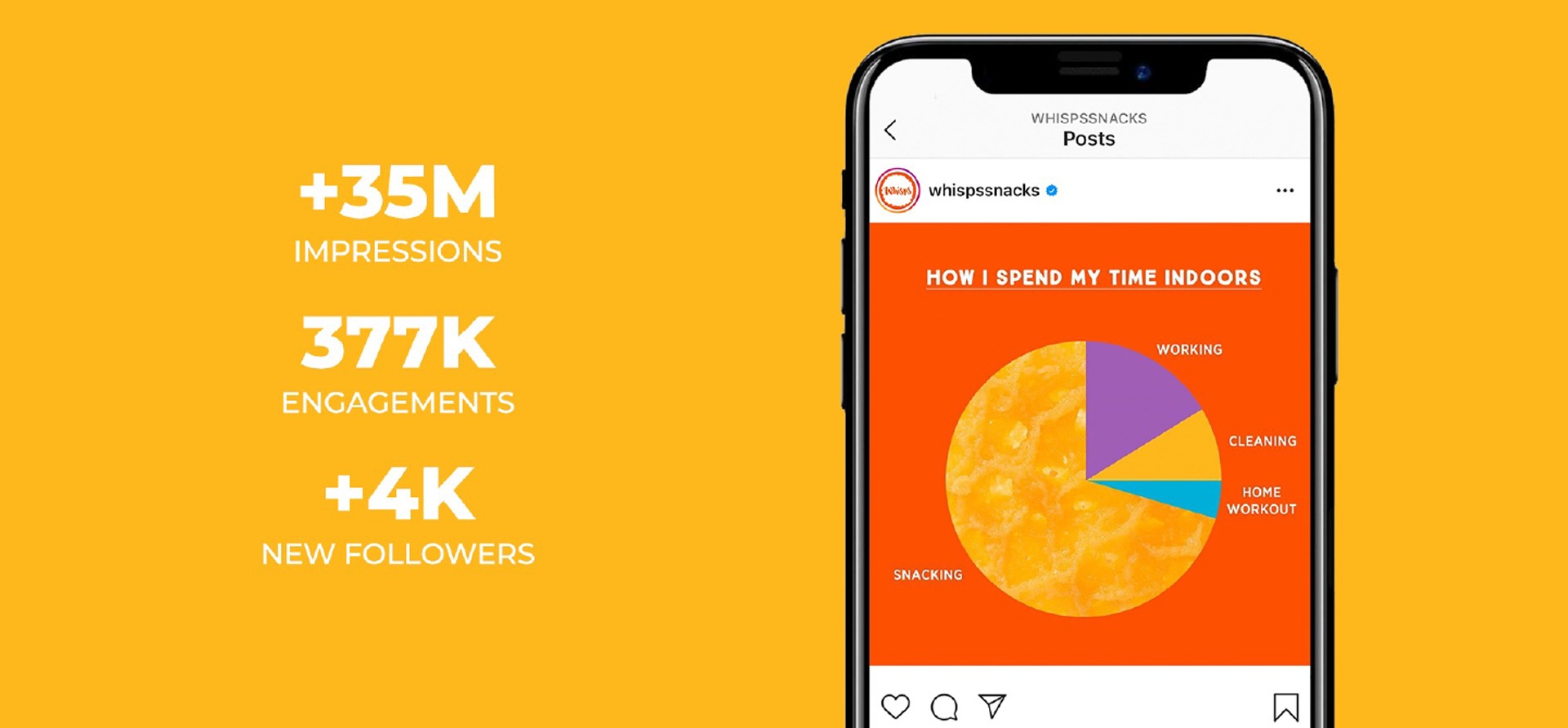
Snack brand Whisps partnered with Socialfly to increase awareness and sales for two new cheese crisp flavors. To help the campaign stand out in crowded social feeds, Socialfly leaned into humor-driven creative with witty cheese puns, playful community banter, giveaways, AR filters, and lifestyle content designed to feel native to social platforms. The campaign generated:
The results demonstrate how humor-focused content can increase interaction and make branded messaging feel more conversational and shareable across social platforms.

Humor works because it makes brands feel human and helps creators tell more engaging stories. To turn that insight into real performance, you need a partner who understands how social actually works.
Socialfly lives and breathes social media and influencer marketing. Partner with us to build campaigns that actually move the needle. Explore our case studies to see how we’ve helped premium brands build successful campaigns, then get in touch to start building your brand’s social media influencer marketing strategy.
