As global flavors become part of everyday American eating, international food brands have more opportunity than ever to win over U.S. consumers. Today’s shoppers actively seek out new tastes, cultural experiences, and products that feel fresh and exciting.
If you want to know how to win grocery shelf space, it starts with social. With it, you can build awareness, test messaging, and validate product‑market fit long before your products hit stores. But to really stand out and win over retailers, you need a strong CPG social media strategy.
Ahead, we explore how social connects to retail success, the challenges of entering the U.S. market, what content performs best in food and beverage marketing, and more.
To win shelf space in U.S. grocery stores, having a great product is a must. But marketing a CPG brand means you also need to prove consumers already want your product.
Social media has become one of the most effective ways to showcase demand, giving retailers a clear view of your momentum long before your product hits their aisles. You can use social strategically to build a bridge between digital buzz and real‑world retail opportunity.
Social media can strengthen your retail story by:
Ultimately, social media acts as a proof of concept for U.S. market viability. It demonstrates that interest isn’t hypothetical—it’s already happening. Even without established name recognition, social media allows you to educate consumers, pique curiosity, and build early familiarity with your flavors and story. It’s why social should be a core component of your food and beverage retail strategy.

Social media gives you a direct line to U.S. consumers—and a way to show retailers that your brand is gaining traction before it ever hits shelves.
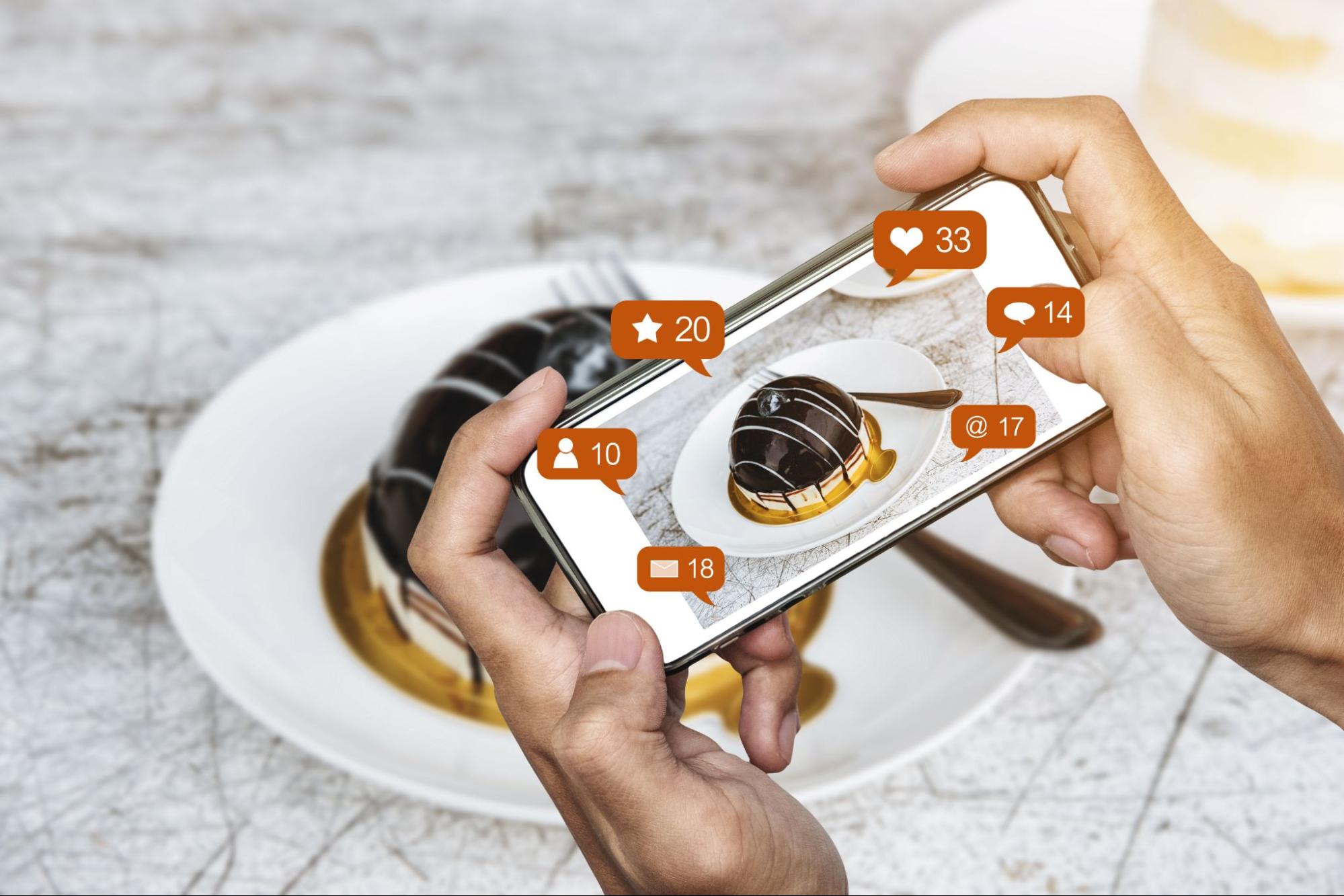
Food is one of the most engaging categories on social because it’s inherently visual, sensory, and universally relatable. Bright colors, rich textures, and satisfying preparation moments translate beautifully on camera, making it easy to capture attention in seconds.
Their emotional and cultural resonance also gives food posts strong viral potential. One great recipe video, taste‑test reaction, or unexpected flavor pairing may be all it takes to gain a foothold. Try these strategies:
Product-focused content builds desire by highlighting what makes your food or beverage visually irresistible. Closeups of texture, ingredient callouts, and packaging details help consumers understand your product’s appeal instantly. Use slow‑motion pours, ingredient spotlights, or behind‑the‑scenes production clips to reinforce quality and craftsmanship.
Recipe and usage content increases relevance by showing consumers exactly how your product fits into their daily lives. Simple recipes, cultural dishes, and meal‑prep ideas make your product feel approachable and versatile. Demonstrate multiple use cases—from quick snacks to full meals.
Lifestyle content helps consumers picture your product as part of their everyday routines. By placing your food or beverage in real‑life contexts—morning rituals, family meals, or on‑the‑go snacking—you create emotional relevance. When consumers can see your product in moments that feel relatable and aspirational, they’re more likely to take the next step.
Influencer content is one of the most powerful ways to build trust, since their audiences already trust their opinions and recommendations. Partner with food influencers for taste tests, reviews, and lifestyle integration that feels more credible than brand‑led messaging. Their creativity and reach help you tap into new audiences while validating flavor, quality, and cultural relevance.
UGC builds community by showing real customers enjoying your product in their own environments. Encouraging people to share their experiences (and reposting their content) creates a sense of belonging and social proof. This authenticity helps potential buyers see themselves using your product, which builds trust and relatability.
Together, these strategies build awareness, trust, and purchase intent by showing your product in action and validating its appeal.

While social media marketing can help CPG and F&B brands reach virtually any demographic today, Gen Z deserves particular attention because they’re so receptive to social‑first discovery and influence. Their behavior is reshaping how global food and beverage brands gain traction and ultimately earn space on U.S. shelves.
Gen Z increasingly discovers new snacks, beverages, pantry staples, and global flavors through TikTok, Instagram, and YouTube rather than traditional search or in‑store browsing. For international CPG and F&B brands entering the U.S. market, this makes social media a critical entry point.
This generation evaluates brands differently, prioritizing:
Peer recommendations, creator content, and viral food moments heavily influence their purchase decisions. For CPG and F&B brands, this means leaning into formats that match how Gen Z consumes food content. Short‑form video is an ideal way to showcase flavor, texture, preparation, and real‑life usage, while influencer content demonstrates how a product fits naturally into everyday routines.
Gen Z’s influence directly impacts retail. Demand often starts online, and viral products can move rapidly from social feeds into physical aisles. Retail buyers increasingly monitor social trends to identify emerging food and beverage brands with momentum.
For global CPG and F&B brands entering the U.S., Gen Z‑driven buzz can provide a competitive advantage, accelerating the path from awareness to distribution.

Establishing a strong presence with U.S. consumers takes more than visibility. You need a social media strategy that turns attention into measurable demand and supports your retail goals. Socialfly is the partner you need—food and beverage marketing on social is one of our specialties.
Our team understands how to connect content, influencers, and paid media into a cohesive strategy. We can help you build awareness with the right audience, generate engagement that signals demand, and create the kind of traction that retail buyers look for.
Explore our case studies to see how we’ve helped food brands succeed on social, then get in touch to start building your CPG social media strategy.
