
Every day, millions of conversations happen online about brands and products—each one with the power to shape public opinion in an instant. A single customer’s story can reach thousands with just a few clicks. It’s why social listening has become a must-have for brands that want to stay connected and thrive.
Social listening helps you spot new trends, gather feedback, and strengthen your brand’s reputation through timely, authentic engagement. And that’s just the beginning. Ahead, you’ll discover why social listening matters, how it can transform your creative and social media marketing strategy, and how to keep your brand ahead of the curve.
Social listening is the process of tracking and analyzing conversations happening about your brand, your competitors, and your industry. It’s like being a fly on the wall in a room full of your audience, partners, and peers—hearing what excites them, what they care about, and how they naturally talk about the space you operate in.
For brands, this insight is a strategic asset. Instead of guessing what will resonate, you can ground your creative strategy in what people are actively discussing and sharing online. Social listening typically unfolds in these phases:
Put simply, social listening transforms the steady stream of online chatter into meaningful business intelligence. You can use these insights to create messaging that feels current, purposeful, and connected to the broader cultural conversation.

Social listening gives your brand direct access to the honest perspectives of your audience, allowing you to shape creative, messaging, and strategy with confidence. Social listening can help you:
Staying tuned in helps you catch rising topics and create content that feels current. Example: A beauty brand seeing a spike in “skinimalism” conversations can quickly produce content around minimalist skincare routines.
Social listening reveals how public perception changes after campaigns or major announcements. Example: A tech company can measure positive feedback after a product launch and adjust support resources based on the responses.
Comparing sentiment and conversation volume shows where your brand stands in the market. Example: A fitness app that sees competitors praised for easy onboarding can streamline its own signup process to stay competitive.
By keeping an eye on negative sentiment or repeated concerns, you can address issues before they grow. Example: An airline noticing frustration about long wait times on social can ramp up staffing and communicate improvements.
You can learn the language and interests that matter to your audience, so your messaging feels relevant and personal. A food brand that sees people raving about plant-based options, for example, might launch a campaign highlighting new vegan products.
Social listening helps you discover pain points and opportunities for better service early on. Example: A retail brand noticing repeated delivery complaints can proactively update shipping policies and share new timelines with customers.
Social listening keeps you in sync with the real conversations shaping your brand’s reputation and growth.
Actively listening on social media gives you a direct line into how people experience your brand in real life. By analyzing conversations across social platforms, you move beyond assumptions and start to understand expectations, emotions, and language as they naturally show up.
With the right social media listening tools, you can identify patterns that reveal what customers care about at different stages of their journey. Instead of reacting to individual comments, you gain perspective that supports thoughtful decision-making across teams.
Social listening can improve customer experience by helping you:
When you apply these insights consistently across your social listening strategy, your creative becomes more responsive and relevant. It’s about making sure your content, messaging, and engagement feel connected to the conversations already happening around your brand. Over time, you’ll build stronger relationships and encourage customer advocacy, as people feel heard and understood.
Tracking audience sentiment helps you understand how people feel about your brand and spot shifts before they become trends. Instead of just counting positive or negative mentions, focus on the bigger picture: What’s driving those feelings, and how are they changing over time?
To measure sentiment effectively:
When you track sentiment consistently, you see how real people respond to your efforts. And when you know how people are likely to respond, you can make more informed creative decisions. It’s all part of the process of building a loyal brand following.
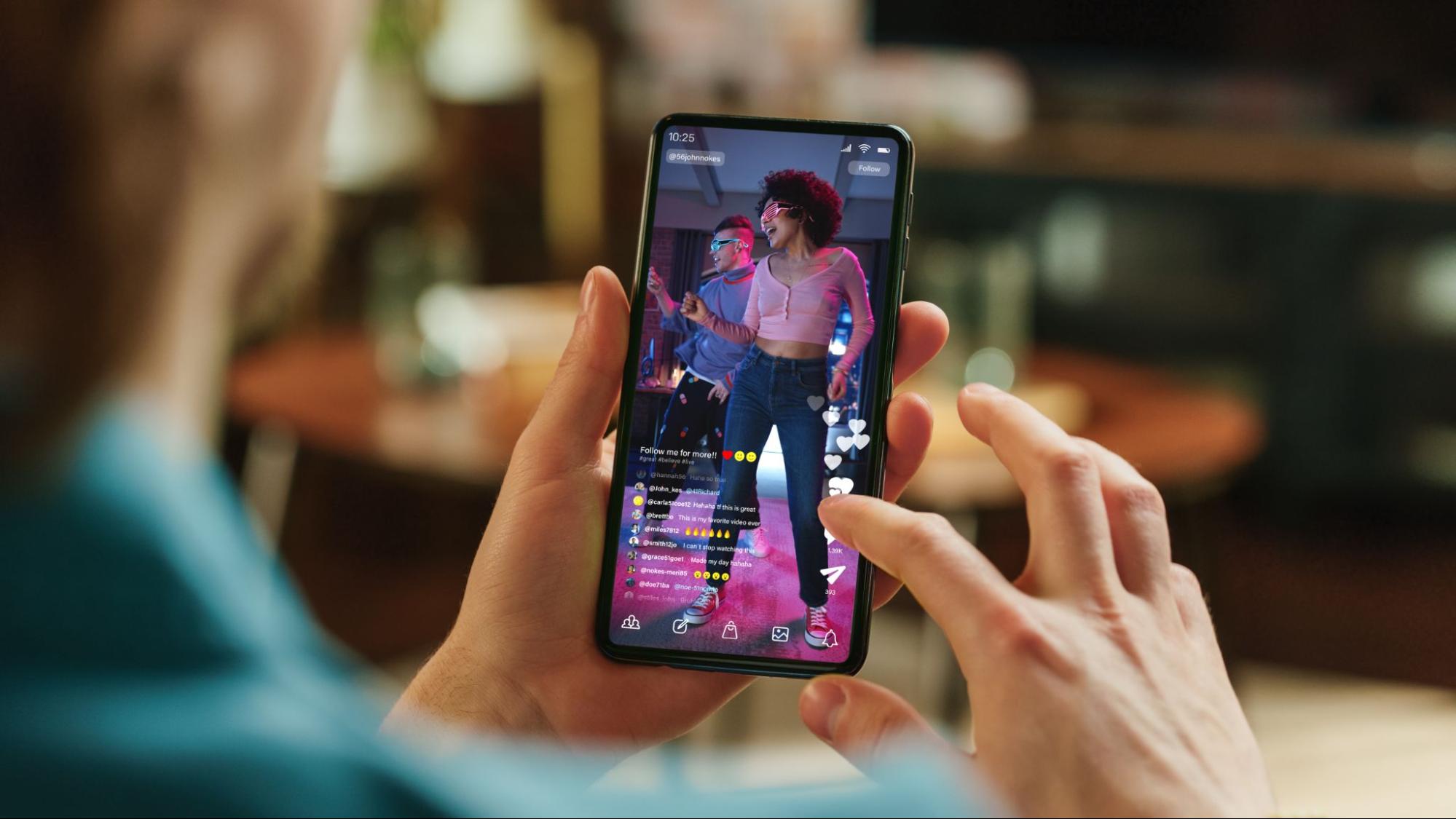
When you want your creative strategy to hit the mark, you need to tune in to what your audience is actually saying. Social listening lets you do exactly that. By paying attention to the real conversations happening around your industry or brand, you get a clear sense of what matters most to people right now.
Social listening can help you:
By letting real conversations guide your creative direction, you’re better positioned to deliver content that feels fresh, timely, and authentic.
Imagine you start to notice a surge of online chatter about staying hydrated during a record-breaking heatwave. People aren’t just talking about drinking more water—they’re swapping recipes for homemade electrolyte drinks and sharing tips for keeping sugar intake down.
If you were a beverage brand, you’d have a valuable window into your audience’s needs and desires in real time, which you could use to highlight products that directly address those needs. This is an example of social listening at work.

Interpreting social listening data is about finding the stories and signals hidden in online conversations—not just tallying up mentions. You want to understand what the data is really saying about your audience, their motivations, and their evolving interests.
Instead of focusing on every individual comment, look for patterns and larger trends that can influence your creative decisions.
Here are a few tips for making the most of what you find:
By focusing on these broader insights, you’ll move beyond simple metrics and tap into the why behind audience behavior. This gives you a foundation for smarter, more impactful creative strategy and keeps you attuned to the real needs of your community.
A consistent brand tone is the foundation of memorable creative. It signals to your audience what to expect—playful, authoritative, bold, or approachable—and keeps your message clear across every touchpoint.
But staying aligned doesn’t mean locking your voice in place forever. Social listening gives you a direct line to how your audience describes, engages with, and relates to your brand in real time, making it easier to evolve without losing your core identity.
To keep your creative direction in sync with your brand’s tone:
The goal is to stay true to your brand while keeping your creative flexible and relevant—never forced or out of touch.

At Socialfly, we don’t just manage social media—we own the space. Our team lives and breathes digital, using social listening to deliver breakthrough strategies, trendsetting creative, and imaginative campaigns to fuel brand growth in an ever-changing landscape.
From genuine storytelling to high-impact influencer partnerships, we leverage social listening to connect with audiences and make your brand unforgettable.
Every project is powered by teamwork, creativity, and data. We work with you, not just for you. We stay ahead of industry shifts, bringing fresh ideas and innovative solutions that keep your brand top of mind.
We’re proud of what we’ve been able to accomplish for our clients. Check out our case studies, then get in touch to learn how we can help you craft a standout social media strategy.
Social listening is the process of tracking and analyzing online conversations about your brand, your industry, and your competitors. By paying attention to these discussions, brands can keep their finger on the pulse of trends and consumer behavior.
Social listening works hand in hand with other elements of social media marketing by providing the data and context you need to create content, engage audiences, and measure performance. With social listening for marketing, you can spot trends, refine messaging, and evaluate how your brand is being received, making every part of your strategy more effective.
Social media monitoring focuses on tracking mentions and engagement as they happen, while social listening digs deeper, using sentiment analysis for creative and pattern recognition to uncover broader trends, audience sentiment, and strategic opportunities.
Brands rely on a variety of social listening programs to gather, organize, and interpret online conversations across platforms. Popular options include tools that offer dashboards, real-time alerts, competitor tracking, and analytics to help you stay ahead.
An agency can help you create a comprehensive social listening creative strategy. Working with an agency gives you access to expertise and dedicated resources to uncover meaningful insights and turn findings into campaigns that connect with your audience.
