
Brand perception often shapes a customer’s decision long before they compare features or evaluate pricing. In a digital environment where instant impressions are the norm and where narratives spread quickly, social media and influencer campaigns can shift that perception at scale.
The halo effect is when a consumer’s positive experience with one product or aspect of a brand boosts their perception of the entire brand, leading to increased loyalty and sales. It can improve customer loyalty and increase perceived value across every interaction with your brand.
This perception may follow the customer through their journey, building stronger affinity, trust, and long‑term revenue impact. It’s why the halo effect has become a strategic consideration for marketing leaders shaping modern social media marketing and digital strategy.
Ahead, we’ll explore how high‑performing campaigns influence brand perception far beyond the initial touchpoint and why partnering with experts who understand these dynamics can help translate that lift into sustained demand and measurable business impact.
The halo effect is a cognitive bias in which a positive impression shapes how people perceive everything else about a person, brand, or product. In psychology, it explains why a favorable attribute such as credibility, likability, or visual appeal can influence broader judgments that aren’t directly related.
In marketing, this means a strong touchpoint can influence perception across an entire ecosystem of channels, messages, and product lines.
With the halo effect:
The halo effect is valuable because it creates a multiplier that extends far beyond the initial moment of engagement.
The key to understanding the halo effect is knowing that it’s not usually the result of a single post or one-off campaign. It’s built through a series of reinforcing signals that collectively shape perception.
It typically happens through:
Together, these elements create a perception that feels earned, authentic, and durable.

Social platforms amplify the halo effect because they compress the time it takes for impressions to form and spread. Audiences encounter brands in rapid succession, often through voices they already trust.
The halo effect accelerates quickly on social media because algorithms reward content that resonates, pushing positive impressions to wider audiences. Likes, comments, and shares act as public validation, making the brand appear even more relevant and trustworthy. Influencers can amplify this effect even more if they endorse a brand, since they already have an audience of loyal followers.
The bottom line: social is one of the most powerful channels for shaping brand perception at scale.
The halo effect plays an outsized role in modern digital ecosystems because audiences rarely separate one brand interaction from another. Every creator partnership, every piece of storytelling, and every social touchpoint contributes to a broader perception that shapes how people interpret your brand across channels. When these elements work together, the halo effect becomes a powerful driver of trust, relevance, and performance.
Here are some key ways the halo effect works in marketing:
Storytelling is one of the most effective ways to activate the halo effect because it creates emotional context around a brand.
On social, this often takes the form of product demonstrations that show real‑world utility and personal experiences that humanize the brand. Problem‑solution narratives that clarify value and lifestyle integration that position the brand within a desired identity are also effective storytelling methods.
Strong storytelling builds:
These elements help audiences form positive associations that extend far beyond the content itself.
Repetition is one of the strongest drivers of the halo effect, and you create it by showing up consistently. When you maintain a steady social presence, you help your audience internalize your brand’s voice, values, and positioning. You do this through regular posting, a cohesive brand voice, and strategic content themes that reinforce who you are and what you stand for.
Over time, those repeated positive exposures compound. They strengthen perception, make your brand feel more familiar, and build the kind of trust that influences behavior across channels. To ensure every touchpoint contributes to the larger perception you’re shaping, you need a thoughtful social media strategy that includes intentional campaign planning.
The halo effect doesn’t stay confined to social—once positive sentiment takes hold, it naturally extends across platforms and touchpoints, such as paid social, UGC distribution, and ongoing influencer partnerships.
When audiences encounter consistent positive signals across channels, performance tends to lift across the board. You might start to see:
All these gains stem from the same source: a perception shift that strengthens both brand equity and performance marketing outcomes.
Influencers build trust through consistent, long‑term relationships with their audiences. Their followers know their voice, understand their preferences, and rely on their recommendations.
It’s why influencer-brand alignment matters so much. Shared values make the partnership feel natural rather than transactional. The influencer’s community must reflect the brand’s target customer, and authentic storytelling is a must. Audiences can sense when a creator genuinely believes in a product and when they don’t.
When these elements align, influencer marketing becomes more than a distribution tactic. It becomes a trust‑building engine that shapes how audiences perceive your brand long after the initial post or campaign.
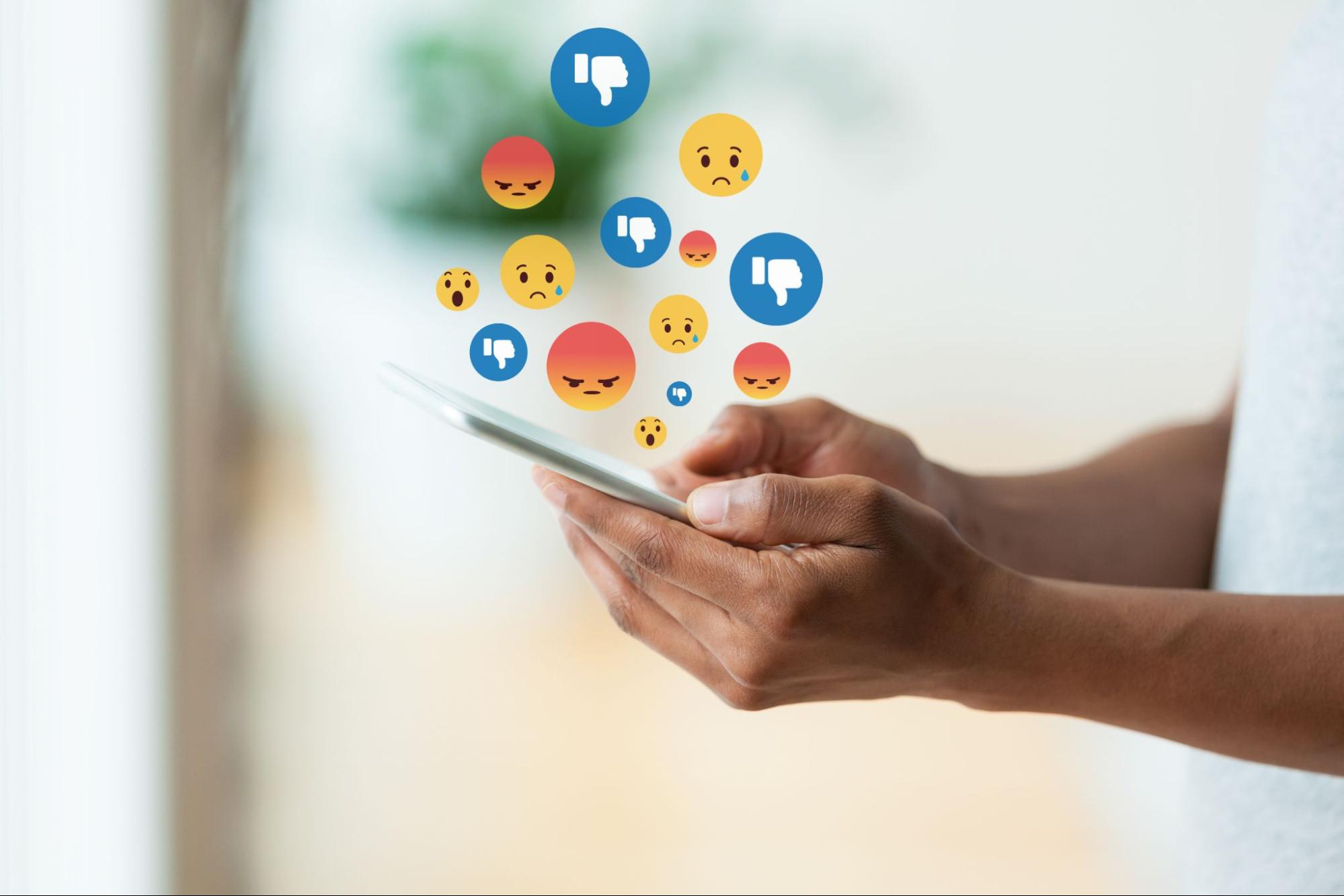
While the halo effect lifts brand perception through positive associations, its counterpart—the horns effect—works in the opposite direction.
The horns effect occurs when a negative impression shapes how audiences perceive the rest of a brand. In marketing, this can happen through misaligned influencer partnerships, controversial messaging, or even an inconsistent brand voice.
For example:
None of these issues are insurmountable, but they do highlight how quickly perception can shift in a digital environment. Social media accelerates both praise and criticism, which means brands benefit from being intentional about how they show up.
The good news is that the horns effect is highly manageable with the right strategic guardrails in place. You can reduce risk by:
Ultimately, managing perception is a strategic responsibility. When you approach social media management and influencer marketing with clarity, alignment, and consistency, you can minimize the horns effect and create more space for the halo effect to thrive.
You can shape the halo effect with intention. Every touchpoint you create has the power to influence how people perceive your brand, so your goal is to build a consistent stream of positive signals that reinforce each other over time.
Here are some best practices:
Short-term influencer campaigns can generate quick spikes in attention, but they don’t always build lasting perception. When you invest in long-term influencer relationships, you give your audience repeated exposure to trusted voices who align with your brand.
Focus on partnering with influencers who genuinely reflect your values and audience. When an influencer consistently shows up with your brand, audiences begin to associate your brand with familiarity, trust, and authenticity.
The way your brand looks and feels matters. Quality creative signals professionalism and care, and that perception carries across everything you do.
Strong creative supports the halo effect by:
When your content feels intentional and aligned, people assume the same level of quality applies to your products or services. This perception shift is powerful. It elevates your brand without needing to say it outright.
From concept development to final edits, every detail contributes to how your brand is perceived at scale. A marketing agency is your strongest ally here, bringing the strategy, creative direction, and execution needed to produce content that resonates and drives impact.

Consistency builds familiarity, and familiarity builds trust. If your brand shows up differently across platforms or campaigns, you dilute the halo effect you’re trying to create.
Stay aligned with:
When your audience knows what to expect from you, they engage with more confidence. Over time, that consistency reinforces positive associations and makes your brand easier to recognize and remember.
Organic momentum is powerful, but paid media helps you scale it. When you identify content that resonates, you can use paid support to extend its impact and accelerate the halo effect.
Use paid media to:
You can take proven positive signals and amplify them across larger audiences. As people encounter strong, consistent messaging more often, those positive perceptions take hold more quickly.
The halo effect influences more than surface-level metrics. You need to look deeper to understand how perception is shifting over time.
Track indicators like:
These signals help you connect perception to performance. When you pair strong analytics with a clear attribution strategy, you can see how your efforts influence both how people feel about your brand and how they act.
You build the halo effect through consistent, intentional brand effort, and you have the opportunity to strengthen it over time with the right strategy. Positive perception grows when you continue to reinforce what your audience already values about your brand. By staying visible, aligned, and proactive, you can deepen trust and expand those positive associations across new audiences and touchpoints.
As your brand evolves, use that momentum to refine and elevate your messaging by:
You can actively shape how your audience perceives your brand by paying close attention to performance and feedback. Each interaction gives you insight into what resonates, allowing you to refine your strategy and build on what works.
Working with an experienced social media marketing agency gives you the advantage of continuous optimization and expert insight.

Every influencer partnership, every paid touchpoint, and every moment of engagement shapes how people perceive your brand. Strong signals don’t just perform well in the moment; they stack, compound, and create momentum that drives trust, affinity, and conversion over time.
But unlocking that kind of momentum requires more than isolated campaigns. It takes a connected strategy, standout creative, and a unified approach across organic, social media, influencer, and paid media. That’s where the right agency partner makes all the difference.
Socialfly brings deep expertise in all things social. We don’t just manage channels—we own the space with strategy and storytelling that make brands impossible to ignore. Explore our case studies to see how we’ve helped brands improve customer loyalty and succeed on the platforms that matter most to their customers, then get in touch to start building your plan.
